


Head Lice Advice & Treatment
Open late for pharmacist advice and over-the-counter treatments.
Understanding symptoms and steps
Recognise and Act Quickly
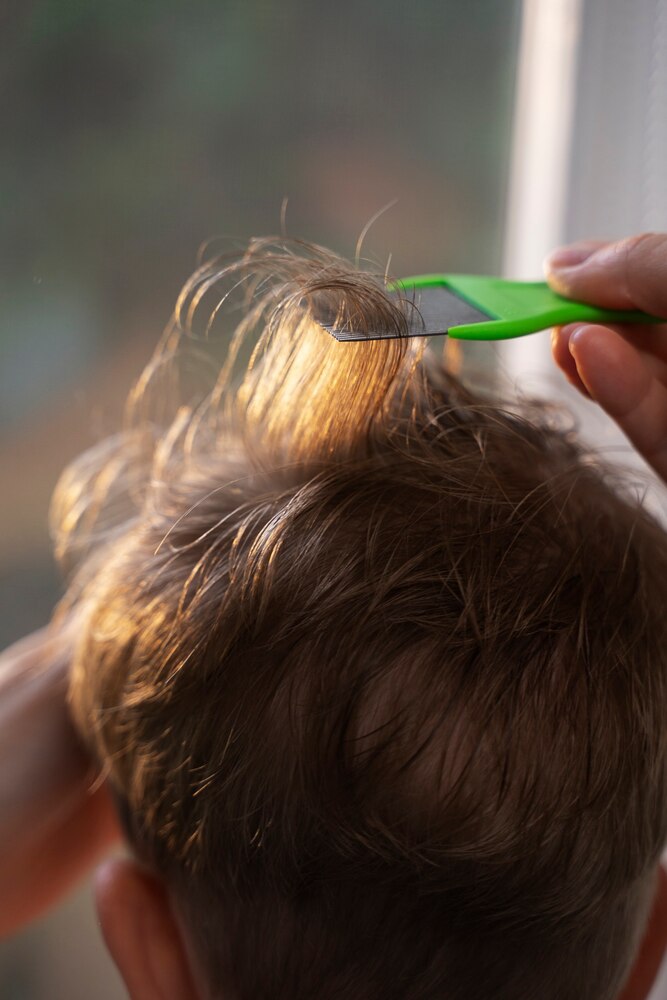
Head lice are small wingless insects that live on the scalp and hair. Typical signs include persistent itching, small red marks on the scalp, and the presence of live lice or small white eggs (nits) near the hair shaft. Check hair in good light using a fine-tooth wet comb, working section by section from roots to ends. Treat only confirmed infestations; avoid unnecessary insecticidal use. Simple measures like combing, treating affected household members and cleaning bedding can control spread. If you are unsure or treatments fail, seek pharmacist advice for best next steps.
Choose the right approach for your family
Treatment Options
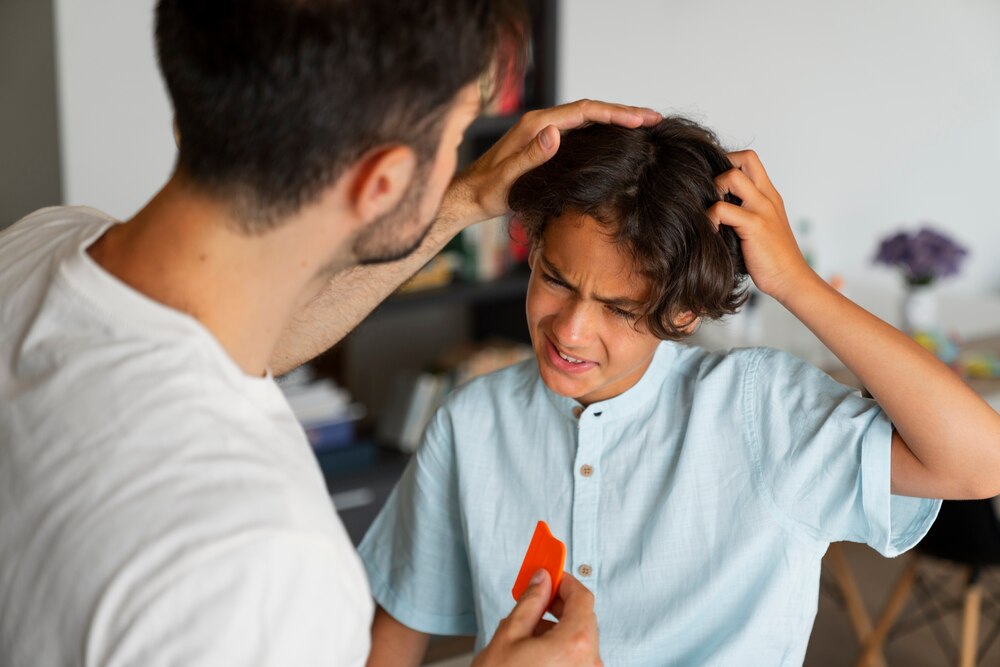
There are two common approaches: mechanical removal (wet combing) and chemical treatments (topical lotions or sprays). Wet combing is safe for all ages and involves using conditioner and a fine-tooth comb to remove lice and eggs over repeated sessions. Over-the-counter products can be effective when used exactly as directed; some infestations may require a prescription insecticide if lice show resistance. Always follow timing instructions and repeat treatments to catch newly hatched lice. Treat all affected household members at the same time, and launder bedding and frequently handled fabrics to reduce reinfestation risk.
Wet combing with fine-tooth comb
Over-the-counter lotions and sprays
Prescription treatments for resistant lice
Repeat treatments as instructed
Symptoms
Itchy scalp, visible lice or eggs.
Detection
Use a wet comb through small sections.
Prevention
Avoid head-to-head contact; clean shared items.
Quick Tips
Simple routines reduce the chance of long-term problems. Check hair regularly, particularly in children, and act at the first sign of infestation. When using wet combing, be systematic and patient: work methodically through the hair, clean the comb between sections, and repeat sessions over two weeks to catch nits that hatch later. If using chemical treatments, follow product instructions and observe safety guidance for young children and pregnant or breastfeeding people. For persistent infestations, the pharmacy can recommend alternative treatments or advise on prescription options.
Check hair weekly
Use a fine-tooth comb
Treat all affected family members
Wash bedding and soft toys
A gentle, chemical-free method
How to Wet Comb Properly
Wet combing is effective but takes time and care. Start with dry hair: apply plenty of conditioner and work through tangles with a regular brush. Then use a fine-tooth lice comb, combing from the scalp to the ends in small sections. Wipe the comb on white tissue after each stroke to check for lice. Repeat combing every 3–4 days for at least two weeks to remove newly hatched lice. Consistency matters: sessions can take 30–60 minutes depending on hair length and thickness. It's safe for all ages and avoids insecticide exposure.

Frequently Asked Questions
Common concerns about head lice and treatment.
How do I know if my child has head lice?
Look for itching, crawling sensation, or visible lice/nits near the scalp. Use a wet comb to confirm.
Are lice dangerous?
No — lice are irritating but not known to spread disease. They do cause discomfort and sleep disruption.
Can I use regular shampoo?
Regular shampoo won't kill lice. Wet combing or a labeled treatment product is recommended for removal.
When should I see a pharmacist or doctor?
Seek help if treatments fail, the scalp is damaged, for infants, or if you need prescription options.
How do I prevent reinfestation?
Avoid head-to-head contact, clean pillows/bed linen, and treat all affected household members simultaneously.
Contact a pharmacist for personalised advice
When to Seek Help
If first-line measures do not clear lice after recommended treatments, or if you notice scalp soreness, broken skin, or signs of secondary infection, seek professional advice. Infants, very young children, pregnant or breastfeeding people, and individuals with allergies may need specialist options. A pharmacist can recommend suitable over-the-counter products, advise on wet combing technique, and tell you when a prescription treatment or GP review is necessary. Prompt consultation helps prevent prolonged infestation and reduces transmission to other household members.